
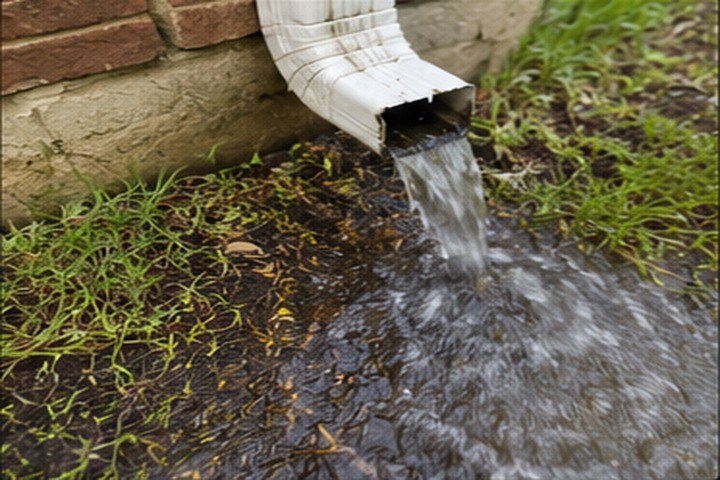
A foundation is the one part of a house you can least afford to get wrong, and water is its greatest enemy. In Georgia, a surprising amount of foundation trouble traces back to a simple, fixable mistake: rainwater that drains too close to the base of the home. The distance between a downspout outlet and a dry foundation is often just a few feet.
When that water lands right against the walls instead of being carried away, it sets off a slow chain of damage that can end in cracks, settling, and costly structural repair. Understanding how it happens is the first step to making sure it does not happen to you.
The Short Trip That Causes Big Damage
Most foundation water problems begin within a few feet of the house, not out in the yard. A downspout that empties right at the base sends every gallon the roof collects straight into the soil against the wall. Concentrated discharge saturates one spot far beyond what natural rainfall ever would. In Atlanta's Druid Hills, where mature homes often have original drainage, water pooling at the foundation corners is a familiar sight after a storm.
The volume involved is easy to underestimate. A single roof can shed hundreds of gallons in one Georgia downpour, all of it aimed at wherever the downspouts happen to release it.
Georgia's Clay Soil and Why It Matters
The red clay that defines so much of Georgia behaves in a way that makes foundation drainage especially critical. Clay expands when it absorbs water and contracts as it dries, and it does both with considerable force. Expanding clay pushes against foundations, while shrinking clay pulls support away from them. In Decatur's Winnona Park, this constant swelling and shrinking is a leading reason older homes develop wall cracks.
Water pooling at one spot makes the cycle far more extreme there than elsewhere. Uneven soil movement stresses a foundation unevenly, which is exactly the kind of pressure that cracks concrete and brick.
What Water Does to a Foundation Up Close
Saturated soil against a foundation wall does its damage through sheer pressure and persistence. The wet earth presses inward with what engineers call hydrostatic force, seeking any crack or seam to push through. Water finds the weak points, working into hairline gaps and widening them over time. In Augusta's West Lake area, basements and lower walls show this slow infiltration as damp patches and chalky white residue.
The longer the soil stays saturated, the more relentless the pressure becomes. Constant moisture can turn a minor cosmetic crack into an active leak over a few wet seasons.
From Damp Crawlspace to Cracked Wall
The damage rarely announces itself all at once; it builds through a sequence of worsening symptoms. It often starts with a musty crawlspace or a damp corner, signs that water is collecting where it should not. Early moisture invites mold, wood rot, and the pests that follow them. A homeowner in the Vinings area of Smyrna might notice a persistent damp smell long before any crack appears.
Left unaddressed, the moisture problem graduates into a structural one. Settling and cracking follow as the saturated, shifting soil stops supporting the foundation evenly.
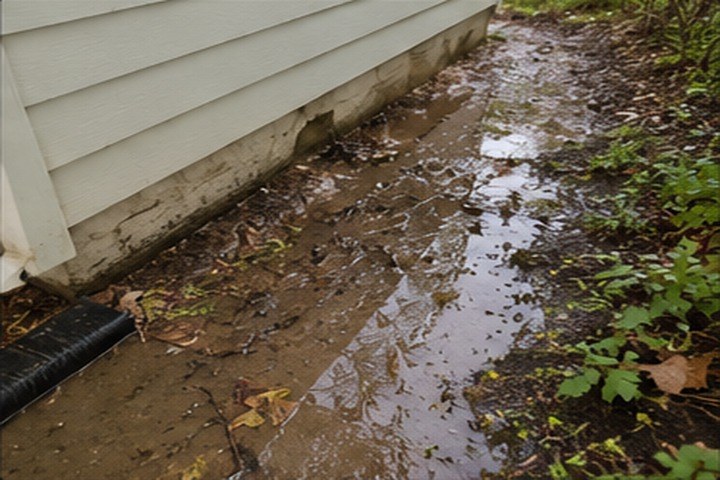
Most homeowners never actually see the overflow happen, which is the blind spot behind the looks clean from the ground gutter problem.
| Stage | Warning Sign |
|---|---|
| Early moisture | Musty crawlspace or damp corner |
| Continued moisture | Mold, wood rot, pests appear |
| Prolonged saturation | Soil shifts and stops supporting foundation |
| Structural stage | Settling and cracking develop |
The Role Gutters and Downspouts Play
This is where the gutter system reveals its real purpose, which has little to do with the roof and everything to do with the foundation. Gutters collect the water, but downspouts decide where it goes, and a poorly placed outlet undoes all the collecting. The downspout is the last line of defense between roof runoff and the foundation. A clogged or overflowing gutter makes matters worse by dumping water randomly along the wall instead of routing it to the outlets.
Keeping the whole system clear and properly aimed is what keeps water away from the base. A functioning gutter system turns hundreds of gallons of threat into water that leaves the property harmlessly.
Moving the Water Where It Belongs
The fix is usually straightforward once the problem is understood: get the water out and away from the house. Downspout extensions, splash blocks, and proper grading carry runoff several feet from the foundation before releasing it. Distance from the wall is the single most important factor in protecting the foundation. Directing discharge toward a spot where the yard slopes away lets the water soak in safely.
None of it works, though, if the gutters feeding those downspouts are blocked. Clear channels have to come first, so the water actually reaches the extensions designed to carry it away.
How a Pro Protects the Foundation
Guarding a foundation means treating the gutter and downspout system as one connected path from roof to safe discharge. A complete service clears the gutters, flushes the downspouts, and confirms the water is being carried well away from the walls. Before-and-after photos document the restored flow and the corrected discharge, so you can see the water leaving where it should. A free satellite-based estimate assesses the roofline and drainage layout before any work begins.
Every job the network arranges is backed by a real commitment. The 45-day no-clog guarantee sends a vetted local pro back at no charge if a blockage returns soon after the service.
This is true even with no branches overhead, as why Georgia gutters clog even when there are no trees over the roof explains.
Keep Rainwater Off Your Foundation
In a state with Georgia's rainfall and clay soil, where roof water lands is not a minor detail; it is one of the most important factors in a home's long-term health. Routing runoff away from the foundation prevents the slow, expensive damage that close discharge sets in motion. The cost of doing it right is a fraction of the cost of foundation repair.
If water has been pooling near your walls or your crawlspace smells damp after rain, it is time to act. Get a free estimate for downspout services and residential gutter cleaning, and look into gutter repair or commercial gutter cleaning to keep the whole system protecting your home.