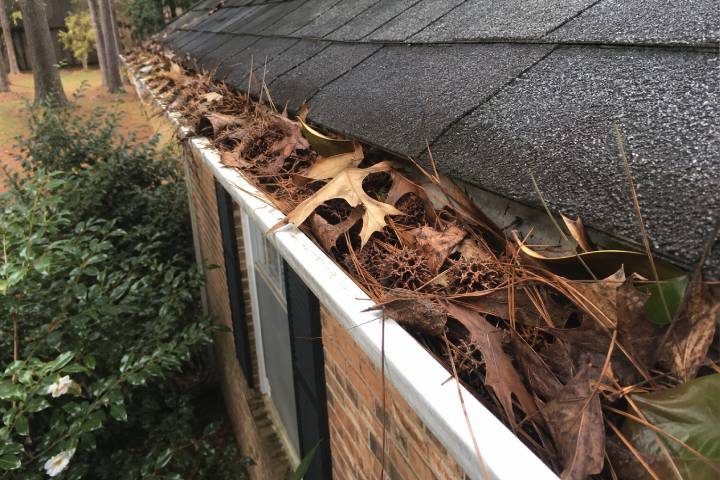
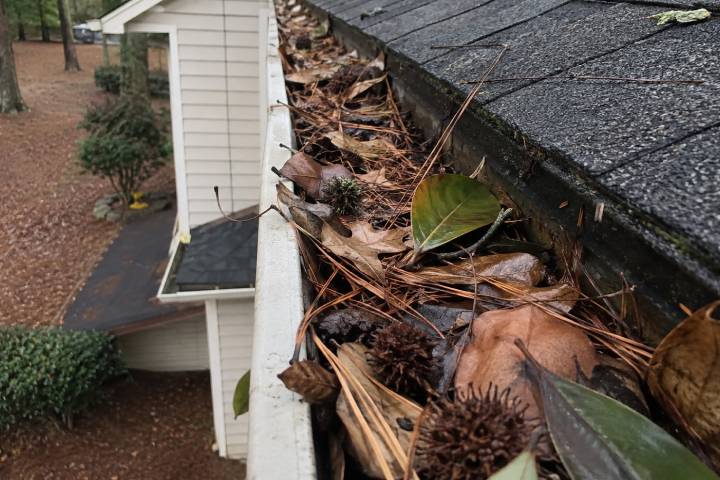
If you've ever climbed a ladder to find your gutters packed solid with something that looked more like mulch than leaves, you already know that not all trees are created equal when it comes to roof debris. Some drop a light dusting that washes away with the next rain. Others leave behind a mess that fights back.
We asked vetted pros across our network which species give them the most grief on service calls, from the mountains down to the coastal plain. The answers lined up more often than you'd expect, and the list below reflects what actually shows up in gutters, not just what looks messy on the ground.
What Makes a Tree a Gutter Nightmare
It's not just volume. A tree that drops a huge pile of dry leaves in one week is often less trouble than one that trickles debris steadily for months. Pros look at shape, texture, and how stubbornly the material breaks down once it's wet and packed into a channel. Pine is the tree most homeowners blame first, but the pine needle reputation in North Georgia tells only part of the story. The species below cause just as much trouble, sometimes more, and they rarely get the credit.
Ranking them this way also helps homeowners plan. If you know which seasonal debris pattern your yard produces, you can schedule cleanings before the buildup turns into a real drainage problem.
| Rank | Tree | Main Debris Issue |
|---|---|---|
| 6 | Loblolly Pine | Needles and spring tassels form clinging paste |
| 5 | Southern Magnolia | Leathery leaves resist decomposition for months |
| 4 | Water Oak | Small leaves and acorn caps slip past guards |
| 3 | Pecan | Fibrous husks lodge at gutter joints |
| 2 | Sweetgum | Spiky balls jam downspout outlets |
| 1 | Yoshino Cherry | Petals form dense mat almost overnight |
Number Six: Loblolly Pine, Needles and Spring Tassels
Loblolly pine gets an honorable mention rather than a top spot because its mess, while constant, is usually manageable if gutters are checked on a normal schedule. The needles are thin and slip through open troughs easily, but they mat together at outlets and seams. Spring is the sneaky part. Loblolly pines drop pollen-heavy tassels in March and April, and those tassels combine with old needles to form a paste that clings to metal. Knowing when each of these trees actually drops helps homeowners time a cleaning before that spring layer sets up. The needles themselves cause a slower, more gradual clog than the sudden hits from other species, but pros still see plenty of downspouts choked with a dense needle mat by late fall.
Number Five: Southern Magnolia and Its Leathery Leaves
Southern magnolia is a beautiful shade tree, and it's also one of the most stubborn offenders on this list. Its leaves are thick and leathery, and they decompose slowly compared to almost anything else that lands on a Georgia roof. A magnolia leaf that falls in October can still be sitting in a gutter, barely changed, the following summer. That durability means these leaves don't just clog channels, they build a semi-permanent base layer that traps everything else on top of it. Pros also point out how debris reaches roofs with no trees overhead, and magnolia leaves are a classic example since wind can carry them well beyond the tree's own canopy. The combination of a heavy, waxy leaf and a slow breakdown rate makes magnolia one of the toughest seasonal cleanouts in the state, and one of the reasons a single annual visit rarely covers it. It's a genuine maintenance headache for anyone who loves the tree's flowers but not its litter.
Number Four: Water Oak and Its Small, Sneaky Leaves
Water oak shows up constantly in older, tree-lined neighborhoods, and Atlanta's Cabbagetown is a good example of a district where mature water oaks tower over rooflines. The problem with water oak isn't size, it's the opposite. The leaves are small enough to slide right past standard gutter guards, and they arrive alongside a steady rain of acorn caps that jam into corners and elbows. Homeowners in these older sections often assume their guards are doing the job, only to find a fine sediment of leaf fragments and cap debris packed at every low point. A property with this kind of canopy usually benefits from routine residential gutter cleaning rather than a once-a-year check, since the small leaf litter accumulates quietly and doesn't announce itself the way larger leaves do. It's a quiet clog risk that catches a lot of people off guard, and the acorn caps add an extra layer of debris texture that standard tools sometimes miss.
Number Three: Pecan Trees Around Albany
Pecan country takes this one seriously, and the Radium Springs area of Albany has more mature pecan trees per block than almost anywhere else in the state. Pecans drop husks, shells, and compound leaflets in waves that start in late summer and run well into fall. The husks alone are heavier and more fibrous than typical leaf litter, and they tend to lodge at gutter joints where they resist normal flow. A vetted pro in our Albany network describes pecan cleanup as closer to clearing small branches than clearing leaves, since the husk fragments hold their shape and don't compress the way softer debris does. Commercial properties near pecan groves face the same issue at a larger scale, which is why commercial gutter cleaning schedules in that part of the state often run more frequently during pecan season. The sheer husk volume from a single mature tree can overwhelm a standard system, and the leaflets add a fine secondary debris layer underneath.
Number Two: Sweetgum Balls That Jam Like Golf Balls
Sweetgum is the tree most likely to make a pro sigh audibly on arrival. The spiky seed balls it drops are hard, round, and just the right size to wedge into a downspout outlet like a golf ball stuck in a pipe. Once a few of these balls lodge together, water backs up fast, and the fix usually means physically pulling debris out by hand rather than flushing it through. Sweetgum balls also mix with leaves and twigs to form a jumbled mass that's harder to clear than any single material on its own. Because the outlet itself is often the point of failure, many sweetgum properties need dedicated downspout services in addition to a standard gutter cleaning. The seed ball jam is unique to this species, and it's one of the few clogs that can cause visible overflow within a single hard rain if it's not cleared. Pros consistently rank the resulting outlet blockage among the most frustrating calls they take.
Number One: Macon's Yoshino Cherry Blossoms
It might seem strange that a beloved flowering tree tops this list, but the math is hard to argue with. Macon, especially around the Ingleside neighborhood, is home to hundreds of thousands of Yoshino cherry trees, and the city's Cherry Blossom Festival each March celebrates exactly the bloom that gives pros the most work. When those blossoms fall, they arrive by the hundreds of thousands across a short window, and small cherry leaves follow soon after in a second wave. The petals are light, but in that volume they form a dense mat almost overnight, especially in gutters that already have a little moisture sitting in them. A vetted pro in our Macon network has described entire sections needing to be cleared twice within the same week during peak bloom. Left unaddressed, the buildup can lead to standing water and eventually to gutter repair if seams start to sag under the weight. It's a beautiful problem to have for a few weeks each spring, but it's still the single biggest seasonal debris event our network sees anywhere in the state, and it produces more calls per week than any other tree on this list, including a noticeable spike in petal buildup reports.
Keeping Georgia Gutters Clear No Matter What's Overhead
Every tree on this list behaves differently, which is exactly why a one-size-fits-all cleaning schedule doesn't hold up across the state. A property shaded by loblolly pine needs a different rhythm than one lined with Yoshino cherries, and a pecan grove near Albany has little in common with a magnolia-heavy yard in the suburbs. That's part of why seasonal spring and fall plans work better than a single annual visit, since they line up with each tree's actual drop pattern instead of guessing. Every pro in our network is licensed and insured, and most estimates start from satellite imagery, so homeowners get a fair quote without waiting on a site visit. Once the work is done, before and after photos are emailed the same day, giving homeowners a clear record of what came out of their system. And if debris returns faster than expected, the 45-day no-clog guarantee means it gets handled without another invoice landing in your mailbox. Messy trees aren't going anywhere, but the mess they leave behind doesn't have to be a mystery.